Emergency Preparedness Tips for Living in Medford, Oregon
Living in Medford, Oregon means enjoying beautiful landscapes, vineyards, and a mild climate. However, like many areas in Southern Oregon, residents face risks from wildfires, floods, winter storms, and earthquakes. Being prepared helps protect your family, home, and community during unexpected emergencies.
This guide covers practical emergency preparedness tips tailored for Medford residents to help you stay safe and ready.
Understanding Local Risks in Medford, Oregon
Every region has its own hazards. In Medford, the most common emergencies include:
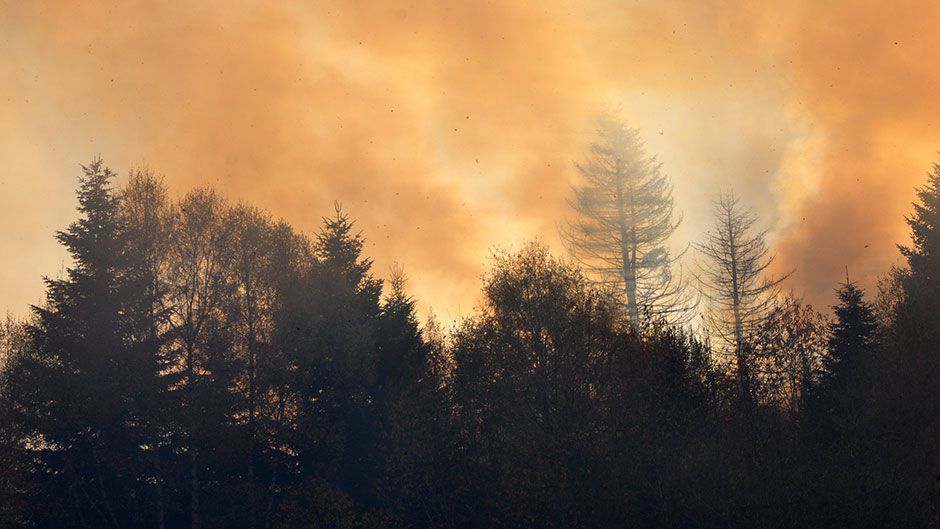
- Wildfires – Dry summers and forested areas make wildfire risks high.
- Flooding – Rogue River and Bear Creek can overflow during heavy rain.
- Winter storms – Ice, snow, and strong winds can cause power outages.
- Earthquakes – Oregon is part of the Cascadia Subduction Zone.
Knowing these risks helps you create an emergency plan that fits Medford’s unique conditions.
Building a Family Emergency Plan
A good plan ensures everyone knows what to do during an emergency. Steps include:
- Communication plan – Choose an out-of-town contact and keep numbers written down.
- Evacuation routes – Identify at least two ways out of your home and neighborhood.
- Meeting spots – Pick a safe place inside Medford and another outside the city.
- Emergency contacts – Share your plan with neighbors, schools, and workplaces.
Creating an Emergency Kit
An emergency kit should last your household at least 72 hours. Include:
- Drinking water (1 gallon per person per day)
- Non-perishable food
- Flashlights with extra batteries
- First aid kit and medications
- Important documents in waterproof bags
- Warm clothing and blankets
- Cell phone chargers and backup batteries
Wildfire Preparedness in Medford
Wildfires are a serious concern in Jackson County. Protect your home and family by:
- Clearing defensible space around your property.
- Using fire-resistant landscaping.
- Keeping gutters and roofs free of leaves.
- Signing up for Jackson County emergency alerts.
- Preparing a “go bag” with essentials in case of sudden evacuation.
Flood and Winter Storm Safety
Medford residents should also prepare for flooding and storms:
- Avoid walking or driving through flooded areas.
- Elevate appliances and valuables if you live near waterways.
- Keep sandbags ready during rainy months.
- Stock up on blankets, food, and firewood for winter power outages.

Interesting Facts About Medford Preparedness
- Medford is located in the Rogue Valley, an area historically prone to wildfires.
- The Bear Creek Greenway has experienced multiple flood events.
- Oregon’s Cascadia Subduction Zone could produce one of the largest earthquakes in North America.
- Local agencies offer Community Emergency Response Team (CERT) training for residents.
- Medford schools regularly hold safety drills to prepare students.
What are the biggest emergency risks in Medford?
Wildfires, floods, earthquakes, and winter storms are the primary risks. Wildfire risk is especially high during late summer and early fall.
How do I sign up for emergency alerts in Medford?
You can register for Jackson County Citizen Alert through the county website. These alerts provide warnings about evacuations, weather, and hazards.
What should be in my go bag for Medford emergencies?
Pack water, food, medications, identification, cash, chargers, flashlights, and basic first aid supplies. Include pet supplies if needed.
How can I make my home safer from wildfires?
Clear dry vegetation, trim tree branches near your roof, and keep a defensible space of at least 30 feet. Use fire-resistant building materials when possible.
Does Medford experience earthquakes?
Yes. While not frequent, Medford is in Oregon’s seismic zone, so it’s important to secure heavy furniture and know how to “Drop, Cover, and Hold On.”